How to Beat Burnout: Spotting It and Gently Recovering

In this article
To beat burnout, you recover gently rather than powering through: notice the signs early, take real rest seriously, lower the load where you can, and rebuild your energy in small, sustainable steps. Burnout doesn't lift overnight, but with patience and kinder habits, many people find their energy and interest slowly return.
What burnout actually is
Burnout is what happens when demands outpace your ability to recover for a long time, usually at work, but caregiving, study and relentless routines can cause it too. It's not simple tiredness that a good night's sleep fixes, and it isn't a personal failing. It's a signal that something has been running on empty for too long.
Understanding that distinction matters. If you treat burnout like ordinary fatigue and just try harder, you tend to sink deeper. Recovery works better when you treat it as something to heal from gently, not a problem to muscle through.
Spotting the early signs
Burnout builds slowly, so it helps to know what to watch for. Common signs include:
- Exhaustion that rest doesn't seem to fix.
- Cynicism or detachment, feeling distant from work or people you usually care about.
- A drop in sense of accomplishment, where even finished tasks feel hollow.
- Physical signs, like headaches, tension, poor sleep or getting sick more often.
- Losing interest in things you used to enjoy.
If several of these sound familiar and have lingered for weeks, that's worth taking seriously. Catching it early makes the climb back much gentler.
How to beat burnout, gently
There's no instant cure, but there is a direction: lighten the load and rebuild rest. Go slowly and be kind to yourself.
Make rest a real priority, not a reward
When you're burned out, rest isn't a treat you earn after finishing everything, it's the medicine. Protect your sleep, take actual breaks during the day, and give yourself permission to do less for a while. Our guide to winding down and sleeping better can help if nights have gotten rough, and more sleep is often the first thing that starts to turn the tide.
Lower the load where you can
You may not be able to change everything, but look for anything you can set down, delegate or postpone. Say no to new commitments for now. Drop the optional extras. Ask for help at work or at home. Even small reductions ease the pressure enough to let recovery begin.
Reconnect with small pleasures
Burnout flattens joy, so part of healing is gently reintroducing things that feel good without demanding much. Low-pressure, enjoyable activities help here, precisely because they ask so little of you. Calming hobbies are a great route back, and our guide to relaxing hobbies you can try at home has plenty of gentle options, while our broader list of simple ways to relax and unwind offers more everyday tools.
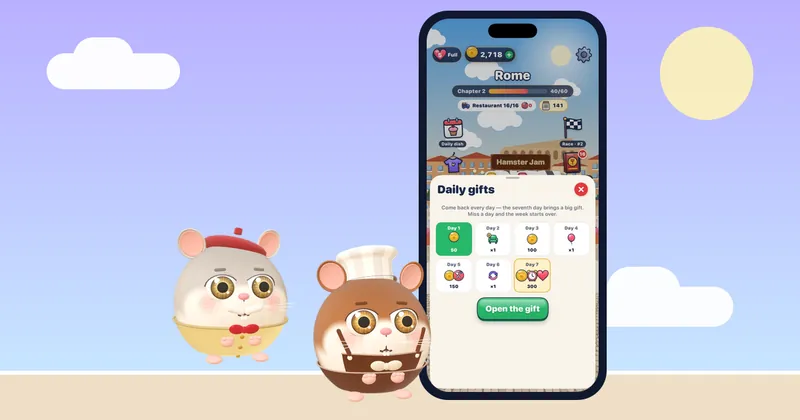
A cozy game can be one of those small, undemanding pleasures. Hamster Jam is a free food sort puzzle for iPhone that's easy to enjoy even when your energy is low. The hamster gang is hungry and the street is jammed; you tap a hamster whose path is clear and it hops off to its favourite dish, keeping the waiting bench from filling up. It's a tiny, satisfying win at a time when wins feel scarce.
Why it's friendly to a tired mind:
- No timers on your fun, so there's zero pressure, play as slowly as you like.
- Every level is solvable (the hundreds of levels are hand-checked), so you get gentle success rather than frustration.
- It's gentle and non-violent, with calm little heroes like Minty and unhurried Vanilla.
- It works offline, so you can unwind anywhere, no setup required.
Keep sessions short and let it be a light moment in your day. If you'd like to try the feel first, you can play a free level of the hamster puzzle in your browser.
Move your body gently
Hard workouts can feel like too much when you're depleted. Gentle movement, a walk outside, light stretching, an easy bike ride, helps lift mood and ease tension without adding strain. Daylight and fresh air do quiet, real good.
Reconnect with people
Burnout often comes with pulling away from others, which can make it worse. You don't need big social plans, a short chat with a friend, a walk together, or simply being around people you trust can help you feel less alone in it.
Rebuild in small steps
As your energy returns, resist the urge to immediately pile everything back on. Add things back slowly, and notice what genuinely restores you versus what drains you. Recovery isn't a straight line, so expect good days and harder ones, and treat setbacks as normal, not failure.
A gentle weekly check-in
Once a week, pause and ask yourself a few honest questions:
- How is my energy, better, the same, or worse than last week?
- What drained me most this week, and can I reduce any of it?
- What helped me recover, and can I do a little more of that?
This keeps recovery visible and reminds you that slow progress is still progress.
When to get support
The steps above are gentle, everyday ways to ease ordinary burnout, and they pair well with broader stress habits, our guide to quick stress relief at work is a useful companion if the pressure starts at your desk. But burnout can be serious, and you don't have to handle it alone. If you've felt exhausted, detached or low for weeks, if it's affecting your health or daily life, or if you ever feel hopeless, please talk to a doctor or a mental health professional. Reaching out is a strong, sensible step, and support can make a real difference.
Be patient with yourself. You didn't burn out in a day, and you won't recover in one either. Lighten the load, rest for real, and rebuild slowly, that gentle, steady approach is how most people beat burnout for good.
Questions
What are the first signs of burnout?
Early signs often include exhaustion that rest doesn't fix, feeling cynical or detached from work and people, and a sense that even finished tasks feel hollow. You might also notice physical symptoms like headaches, tension or poor sleep, and a loss of interest in things you used to enjoy. If several have lingered for weeks, it's worth taking seriously.
How long does it take to recover from burnout?
There's no fixed timeline, because it depends on how deep the burnout is and how much you're able to lighten your load. Recovery is usually gradual rather than instant, with good days and harder ones along the way. Making rest a real priority, reducing demands and rebuilding slowly all help, and patience with yourself matters a lot.
Can resting and small pleasures really help?
Yes. Burnout comes from demands outpacing recovery for too long, so protecting rest and gently reintroducing low-pressure, enjoyable activities is central to healing. Simple pleasures that ask little of you, a walk, a calming hobby, a short cozy game, help because they restore energy without adding strain. Keep them small and let them be genuinely easy.
When should I see a professional about burnout?
If you've felt exhausted, detached or low for weeks, if burnout is affecting your health, sleep or daily life, or if you ever feel hopeless, please talk to a doctor or a mental health professional. Burnout can be serious, and you don't have to manage it alone. Reaching out early is a sensible, caring step, and support can genuinely help.